
Stress is often not talked about as a contributing factor for insulin resistance, pre-diabetes, and type 2 diabetes.
As a Health At Every Size focused health and wellness coach, it’s important to me to be informed about common diagnoses my clients may have received and/or are facing that I can support them with. Type 2 diabetes and insulin resistance are two common diagnoses people have. The CDC estimates that over 97 million Americans have prediabetes, which equates to almost 30% of the entire population. From there, it’s estimated that about 10% of the U.S. population has Type 2 diabetes, or about 33 million Americans. Total, that equates to over 40% of people in our country who have some type of metabolic dysfunction linked to insulin resistance or type 2 diabetes, or about 130 million people. That’s a very large proportion of our population! Obviously, this is an issue many, many people face and will face as rates are increasing. It’s also an issue for which people may not be getting the most accurate or helpful picture of how to prevent it, how to address it, and what body systems may be involved.
Certainly inactivity and lack of regular, intentional physical movement plays a large role in the way our bodies utilize and manage glucose, but most of us have learned about this topic condensed down to two main contributing issues: weight and carbs. I’m not arguing that these issues are unimportant or unrelated, but I will present information about lesser known data that will be discussed in this blog post relating to the large role stress, both acute and chronic, can play in the development of insulin resistance, pre-diabetes, and a diagnosis of Type 2 diabetes. First, let’s all get on the same page about the physiology behind these conditions and what is happening in our bodies.
We eat food. Yum! Our body breaks down food, extracting and utilizing nutrients, dealing with toxins, synthesizing and supporting the production of hormones (one of the body’s main forms of communication and information,) as well as many different types of cells. As part of the process of breaking down the food we eat, we need to create fuel to run our bodies at the cellular level. Glucose is our body’s primary fuel source, broken down from carbohydrates (a macronutrient our body needs which include plant foods such as grains, fruit, and veggies) and proteins that we eat. When our blood glucose levels rise as this fuel is released, our pancreas responds by dispensing insulin. Glucose is then transported through the bloodstream and insulin escorts it into our cells by “unlocking” a receptor which allows the glucose into the cell like a key unlocks and opens a door.

Once the “door” is unlocked and glucose enters a cell, as many of you might recall from high school science class, cells then utilize glucose to create ATP, or Adenosine triphosphate, which is the molecule that fuels cellular functions. Glucose is the cell’s preferred fuel that allows ATP to store this cellular energy in a process called glycolysis. Every cell in our body takes part in this life-supporting process. Of interesting note is that our brains and nerve cells utilize only glucose for energy and to maintain proper function, and they use the majority of it that we consume for this purpose. Sometimes it’s easy, when discussing topics such as insulin resistance and type 2 diabetes, to make glucose out as the bad guy, but it is super important for our bodies to stay alive and function properly!
When we have excess glucose in our blood, more than cells can take in and put to work at one time, then the liver utilizes a process called glycogenesis to convert glucose to glycogen. When our blood glucose (aka blood sugar) is low and there isn’t a lot of available fuel for our cells to convert to energy, our pancreas releases another hormone called glucagon. In a process called glycogenolysis, glucagon signals the liver to release stored glycogen which is then converted back into glucose and allows the cellular energy creating process to proceed. Our muscles can also store glycogen for energy use, but it’s important to note that the body can only store about a half day’s worth of glycogen, which is why our liver also stores excess glucose as fat. Our fat cells and liver cells work together in a process called lipogenesis to store excess glucose for later use. Our bodies are pretty amazing and efficient in this way! Problems can occur, however, when there is chronically too much glucose released into our bloodstream on a regular basis. This is where our conversation will deviate a bit from the mainstream, so keep reading!
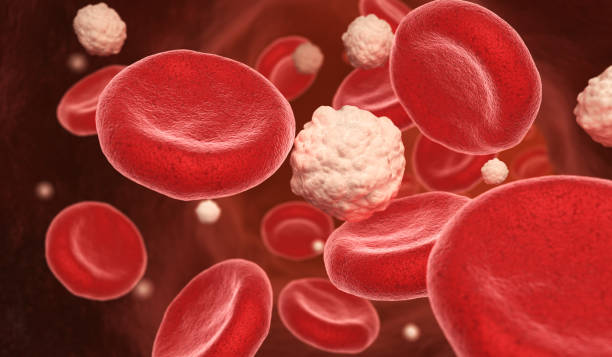
Insulin resistance takes place when our bodies have had an excess of glucose circulating in our blood stream on a regular basis. Our very helpful and handy pancreas continues to release more and more insulin in an attempt to lower blood glucose levels through unlocking more and more cells to accept glucose in. Insulin resistance happens as a result of our cells being too frequently inundated by more glucose than they can utilize. The cells reach a point where they stop allowing insulin to unlock the receptor sites, thus becoming resistant to the insulin. As you can imagine, this leads to higher than normal levels of glucose in our bloodstream, which can be damaging. Our super nice pancreas continues to pump out insulin to try and lower our blood glucose levels, but eventually it can’t keep up with demand and this is when insulin resistance leads to pre-diabetes.
Pre-diabetes is when blood glucose levels have remained higher over a longer period of time, but not high enough to be diagnosed as type 2 diabetes yet. The CDC estimates that a whopping 1 in 3 adults has pre-diabetes! This is obviously of great concern because, if steps aren’t taken to stop this process from continuing, the next step is being diagnosed with type 2 diabetes. The great news is that the steps people can take to prevent this diagnosis are within a person’s sphere of control – woohoo! Read to the end to discover the steps you have control over to manage and prevent a diagnosis of type 2 diabetes.
I think we are all on the same page with the knowledge that eating more food, particularly those foods that are easily converted to glucose like simple carbs, overwhelms our systems with too much glucose. It’s also well-known that not moving our bodies enough (putting glucose to work,) can also be a main contributing factor to chronically high blood glucose; our bodies were designed to move on a regular basis! However, it is less well-known that our body’s stress response systems, including the autonomic nervous system, can play a large role in blood glucose levels and that there is a growing body of evidence and data that demonstrate a strong connection between stress and high blood sugar levels.

Our amazing bodies were designed to handle stress. Our ancestors saw a saber tooth cat and the sympathetic nervous system took over to enhance and strengthen body systems we needed to quickly run away to safety, like increasing the heart rate and oxygen and blood flow to major muscle groups. A key part of this response system is to signal the release of glucose into the bloodstream to fuel cells with the energy they need to respond and get us to safety. Those leg muscles our ancestors needed to run away couldn’t increase in speed and agility without huge amounts of fuel to power them! Also in this process, body systems that were not needed to help us escape were temporarily paused, such as digestion and reproduction, so that resources could be diverted to expend the energy we needed to escape. Because of this amazing system, our ancestors could quickly respond to danger and their cells had the energy necessary to get to safety. Thank you sympathetic nervous system!

On the flipside, as soon as our caveman ancestors were out of danger, the parasympathetic nervous system would take over to put their bodies back into a “rest and digest ” state. Stress hormones subside, heart rate returns to normal, digestion and reproduction processes resume, and our body no longer requires extra energy and higher levels of glucose in our bloodstream. This is how our bodies were designed to function. But what happens if the stress response doesn’t turn off? This is where the discussion of stress and it’s relation to insulin resistance, pre-diabetes, and a diagnosis of type 2 diabetes becomes so important.
Though we don’t have to deal with saber tooth cats anymore, we still face many modern day dangers in which we benefit from our body’s stress response. However, it’s important to note that our body can not and does not distinguish between bodily threats of harm and danger (like a huge predatory animal wanting to eat us for dinner) and emotional and mental stressors such as running late while in a traffic jam or we have a fight with our spouse; the stress response system reacts the same to stressors regardless of the perceived stress. And when that perceived stress is ongoing and chronic, our sympathetic nervous system continues to crank out those stress hormones with the domino effect of body systems that involves – including higher sustained blood glucose levels. Stress hormones, such as cortisol, epinephrine, growth hormone and glucagon, create a state of high blood sugar in our body during a “fight or flight” reaction, regardless of the source of stress.

Part of the stress response and diabetes conversation is that behavior choices of those who are living with chronic stress can impact metabolic responses such as blood glucose and insulin sensitivity; a person undergoing stress is more likely to eat less nutritive foods and live a more sedentary life, both of which have a direct impact on metabolic health. This stress-behavior feedback loop plays a part in how stress can impact and influence a person’s likelihood of developing insulin resistance, pre-diabetes, and type 2 diabetes, but it’s also important to note that stress alone, regardless of lifestyle and behavior choices, can impact our body to the point of metabolic disease. Studies have shown that chronic stress can lead to people having poor glycemic control, can negatively impact glucose balance and lead to insulin resistance, and that people who report higher levels of stress are more likely to be diagnosed with diabetes.
Being in a state of chronic high blood glucose (hyperinsulinemia and hyperglycemia) can actually stimulate the stress response in the body, thus creating a feedback loop of on-going stress causing an on-going release of glucose which leads to a triggering of the body’s stress response system, which in turn automatically signals the release of more glucose. Another part of the body’s stress response system involves the endocrine pathway known as the HPA axis (hypothalamus, pituitary, and adrenal gland) which increases inflammation and can signal specific inflammatory cells that target the pancreas. Researchers have found that psychological stress, like depression, increases systemic inflammation which can lead to insulin resistance.
All of these findings about the body’s stress response and it’s relationship with insulin resistance and diabetes has led to studies where participants were supported in activating their parasympathetic response (rest and digest). The impact of reducing their body’s stress load and response was that their bodies became more sensitive to insulin, thus reducing their insulin resistance and decreasing their susceptibility to a diabetes diagnosis. Also, medically blocking the sympathetic nervous system response (fight or flight) in those with insulin resistance has been shown to increase their insulin sensitivity. The bottom line: researchers have concluded that there are definitely links between stress and insulin resistance. I think that there is a major disservice being done by villainizing glucose (and carbs) and not talking more about the large role stress plays in metabolic health. And the reality is, stress can’t be avoided and is a normal part of everyday lives.

But super exciting and excellent news: we were born to handle stress! It’s something our bodies were designed to handle in efficient and effective ways! When stress has the power to negatively impact our health and wellbeing is when stress is chronic (on-going) and not managed. When steps are taken to actively reduce the impact of stress in our lives, we can powerfully control, neutralize, and counterbalance the unfavorable effects it can have – including reducing it’s influence on metabolic processes like insulin resistance, pre-diabetes, and type 2 diabetes. We don’t need to fear or loathe stress, we need to adopt lifestyle habits and behavior choices that help our bodies regulate and manage stress in health-promoting ways. This can feel like a daunting mountain to climb (and stress inducing!) if we’re not sure how to deal with our chronic and daily stress – this is where utilizing a Health and Wellness Coach (like me!) can be life-changing! Positively influencing your body to reduce resistance to insulin and increase metabolic function through proactive stress reduction, active stress management, nutritive eating, and intentional body movement with the support of a health coach is a powerful way to improve your quality of life and disease risk.

Resources and References:
https://www.cdc.gov/diabetes/data/statistics-report/index.html
https://www.ncbi.nlm.nih.gov/pmc/articles/PMC8971350
https://www.ncbi.nlm.nih.gov/pmc/articles/PMC9561544
https://joe.bioscientifica.com/view/journals/joe/217/2/175.xml
https://www.veri.co/learn/cortisol-insulin-resistance
https://www.cdc.gov/diabetes/prevent-type-2/index.html
https://www.ncbi.nlm.nih.gov/books/NBK560599/Archer, P. A., & Nelson, L. A. (2021).
Applied Anatomy & Physiology for manual therapists. Books of Discovery.


 Spunky Sprout Wellness
Leave a comment